Maintenance knowledge loss when maintenance lives in people’s heads
Maintenance knowledge loss causes teams to lose context repeat mistakes and struggle during turnover when maintenance history lives in people’s heads
12/23/20252 min read
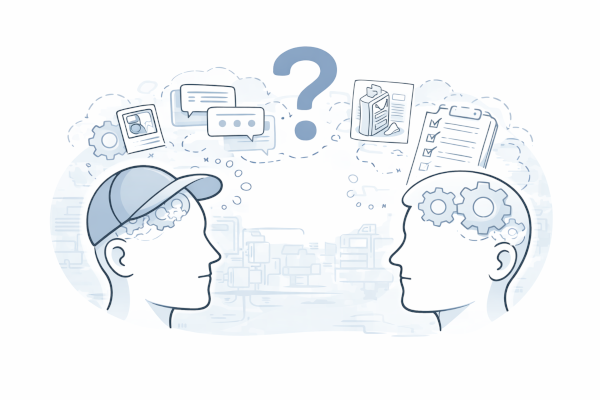
Most maintenance systems do not fail all at once.
They slowly leak.
Information gets shared verbally.
Notes live in text messages.
Decisions get explained once and never written down.
At first, everything feels fine. Everyone knows who to ask.
Then something changes.
The moment the system collapses
The collapse usually happens during a transition.
Someone goes on vacation.
Someone switches roles.
Someone leaves entirely.
Suddenly, simple questions become hard.
Was this replaced recently or a long time ago
Was that noise normal or new
Did we already try fixing this or not
The answers existed before. They were just never saved anywhere reliable.
So the team starts guessing.
Why tribal knowledge feels efficient
When things are moving fast, writing things down can feel unnecessary.
It is quicker to explain than document.
Easier to remember than record.
Faster to fix than note.
This works until it does not.
Tribal knowledge feels efficient because it hides its cost. The cost only appears later, usually at the worst possible time.
The hidden cost of relearning
When history lives in people’s heads, every change increases risk.
New hires take longer to ramp up.
Mistakes get repeated.
Old fixes get undone accidentally.
People do not realize they are relearning the same lessons because the lessons were never preserved.
What feels like bad luck is often lost context.
Why documentation usually fails
Most teams know documentation would help.
They try to add it during calm moments.
They promise to be better next time.
They create templates that look good but feel heavy.
Then urgency returns, and documentation becomes optional again.
The problem is not that people do not care.
The problem is that documentation is usually treated as extra work instead of part of the work.
Making memory external
The shift that changes everything is simple.
Stop relying on internal memory.
Start storing context externally.
Not long reports.
Not perfect records.
Just enough to answer the next person’s questions.
When the past is easy to find, people stop hoarding knowledge. They stop being bottlenecks. They stop feeling pressure to remember everything.
The work becomes calmer because the system carries the weight.
Stability through continuity
Maintenance becomes resilient when history survives change.
People can come and go.
Roles can shift.
Work can get busy.
The knowledge stays.
Preventing repeat failures starts with deliberately preserving maintenance history instead of hoping people remember it.
That is when maintenance stops being fragile. Not because everyone is more disciplined, but because the system does not depend on memory anymore.